Common Name: Dwarf Rasbora
Scientific Name: Boraras maculatus
Origin: Southeast Asia (Thailand, Malaysia, Indonesia – peat swamps & blackwater streams)
Maximum Size: ~2 cm (0.8 inches)
pH: 5.0 – 7.0
gH: Soft (1 – 8 dGH)
Temperature: 22 – 28 °C (72 – 82 °F)
Tank Size: Minimum 5 gallons (best kept in schools of 8–10+)
Temperament: Peaceful, shy, active schooling fish
Diet: Omnivore – micro-pellets, crushed flakes, baby brine shrimp, daphnia, microworms
Difficulty: Easy to Moderate
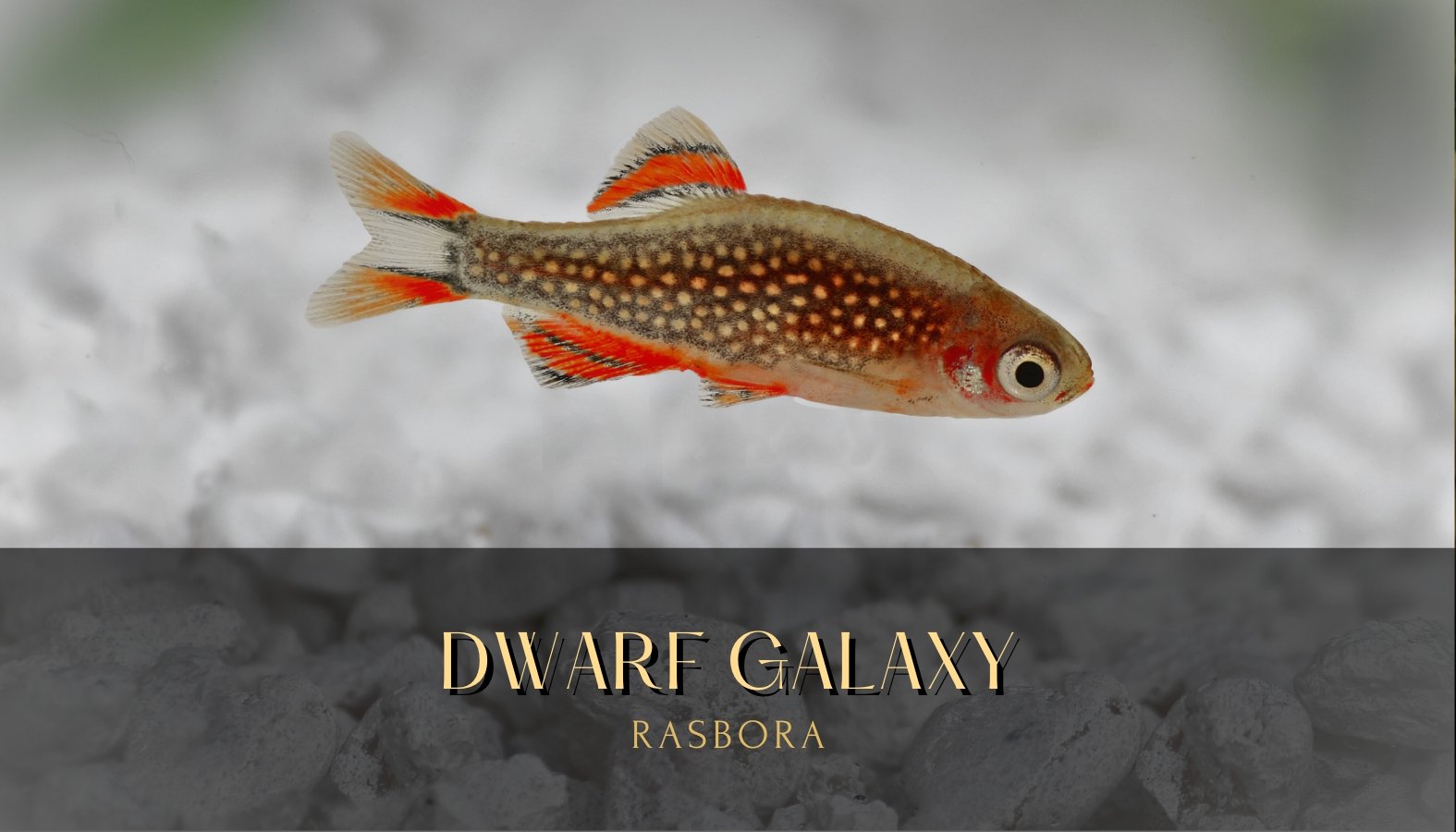
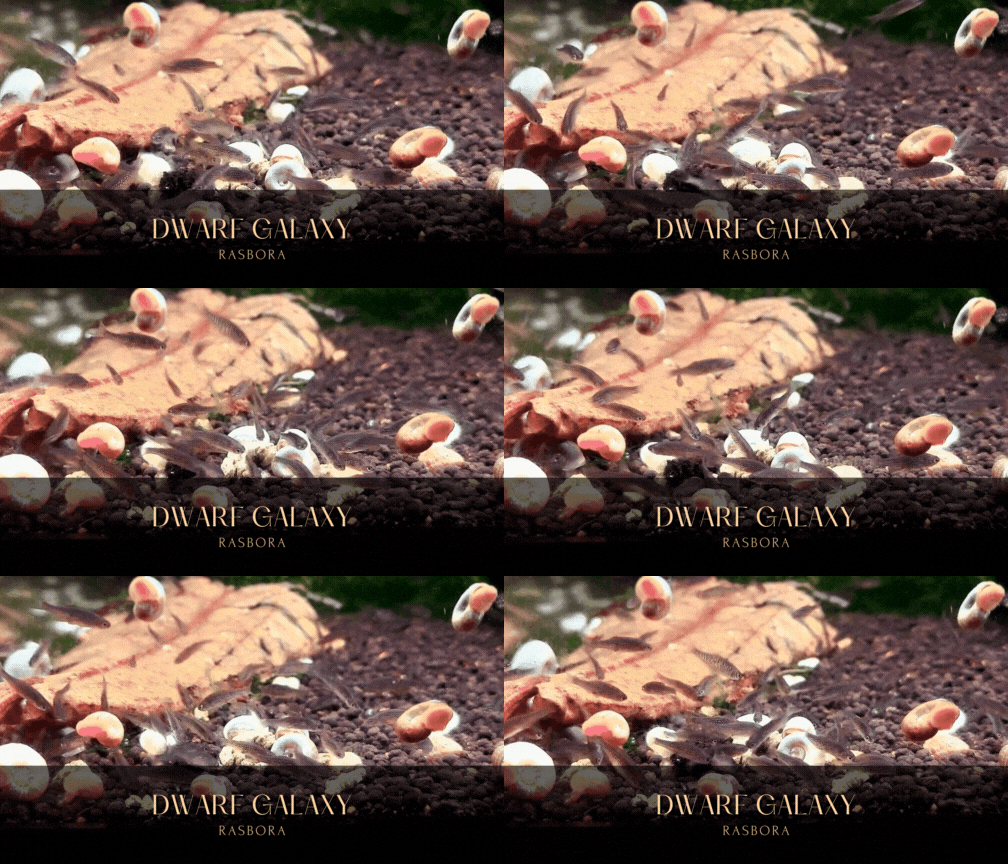
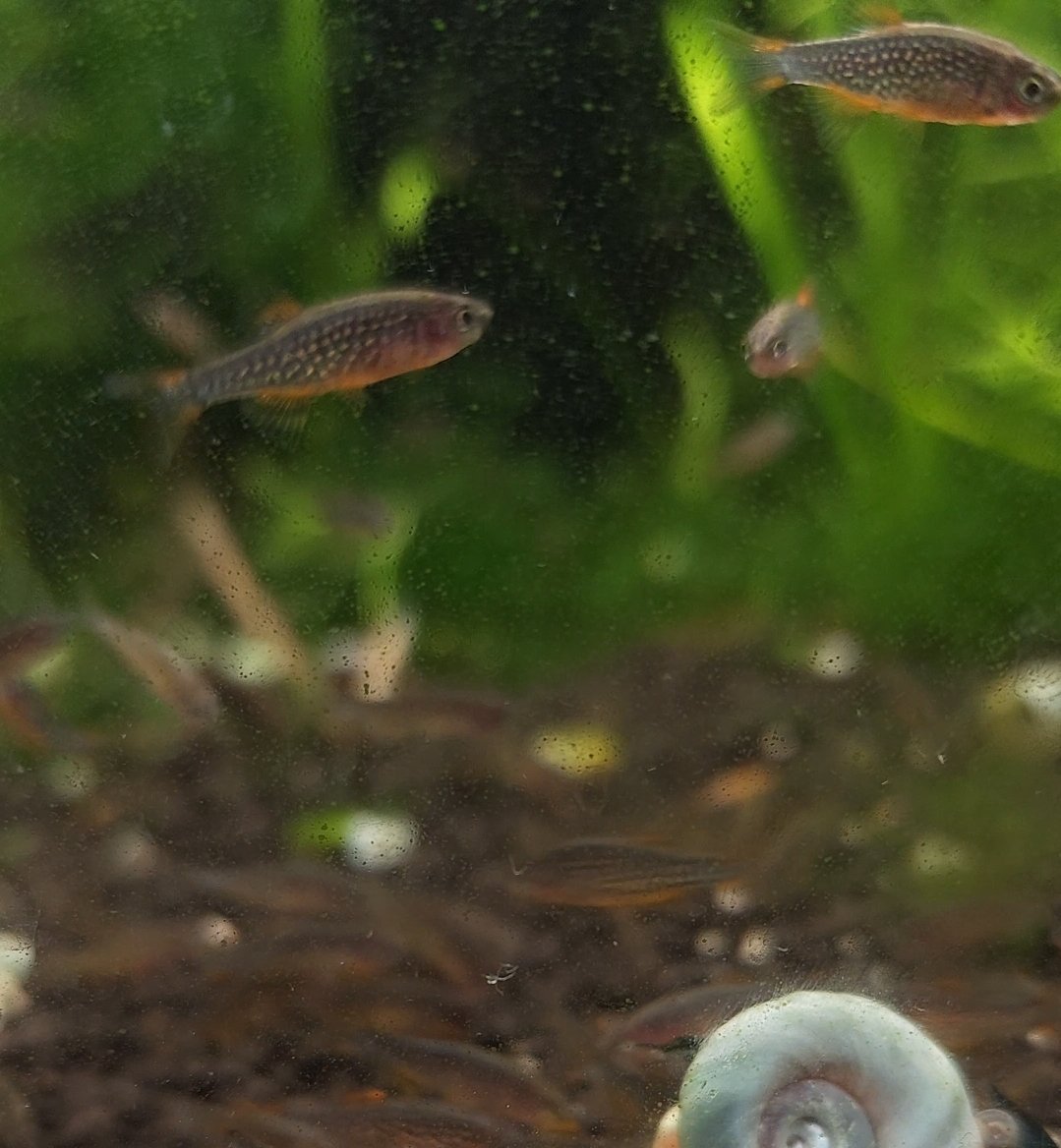
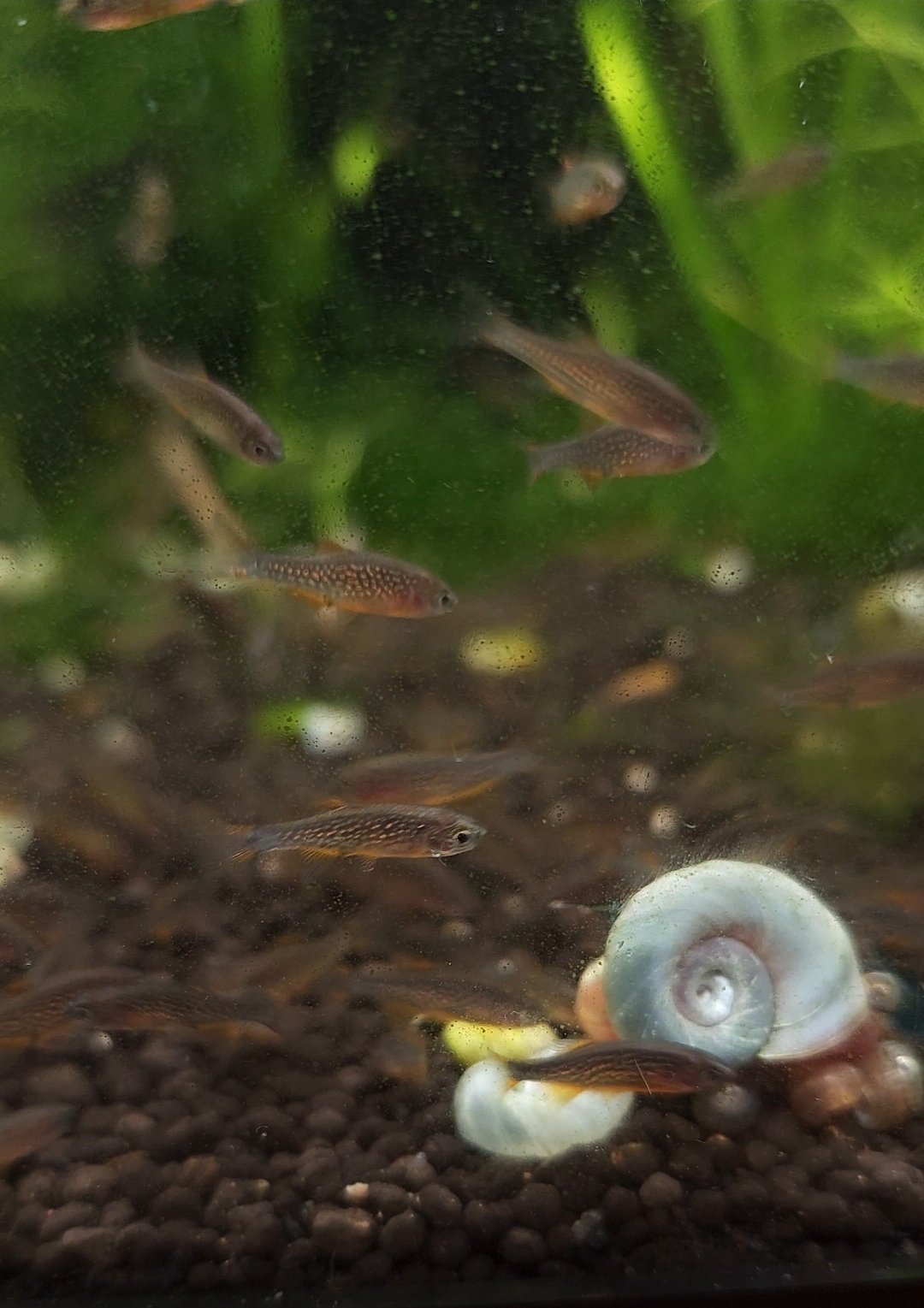
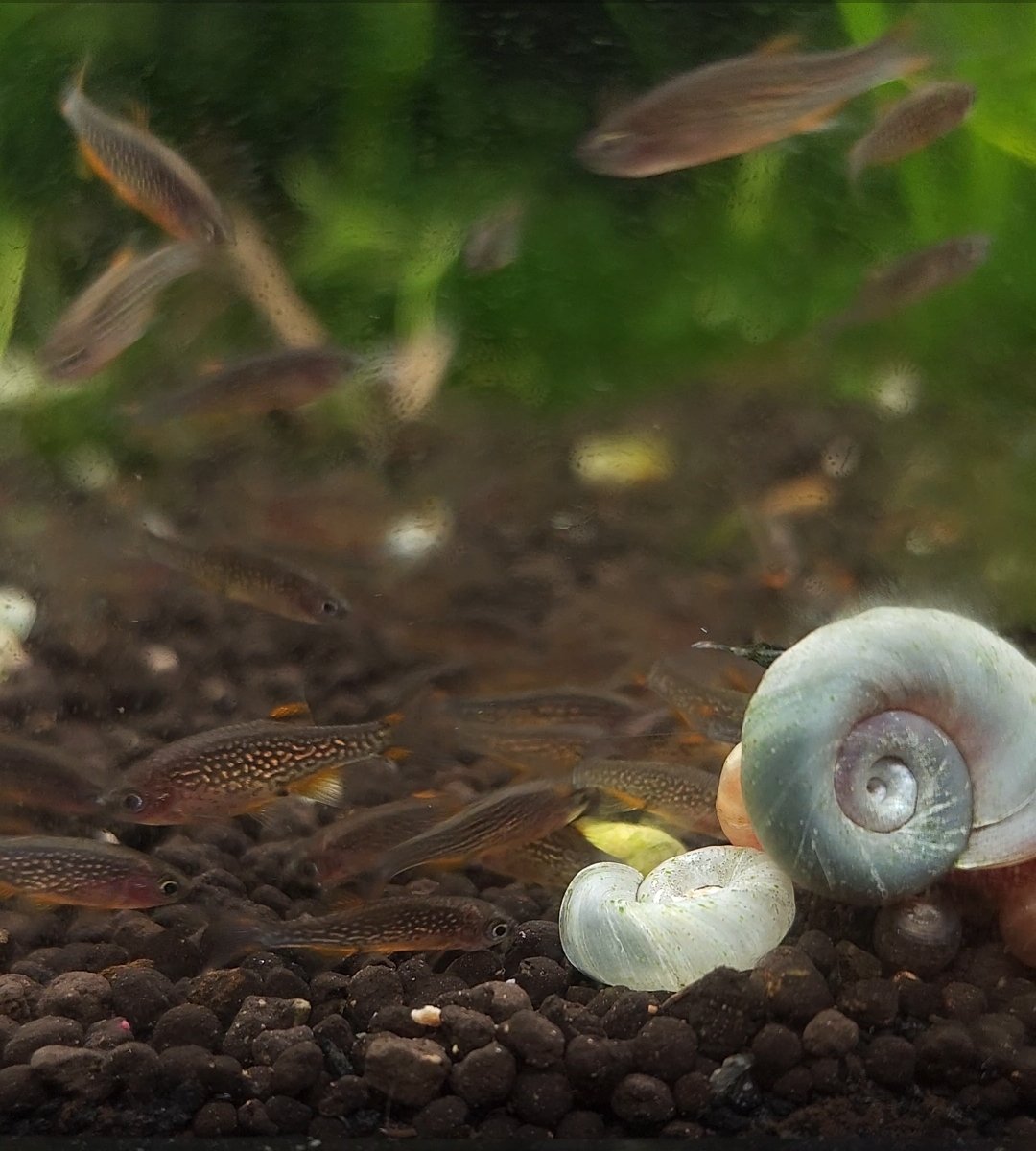
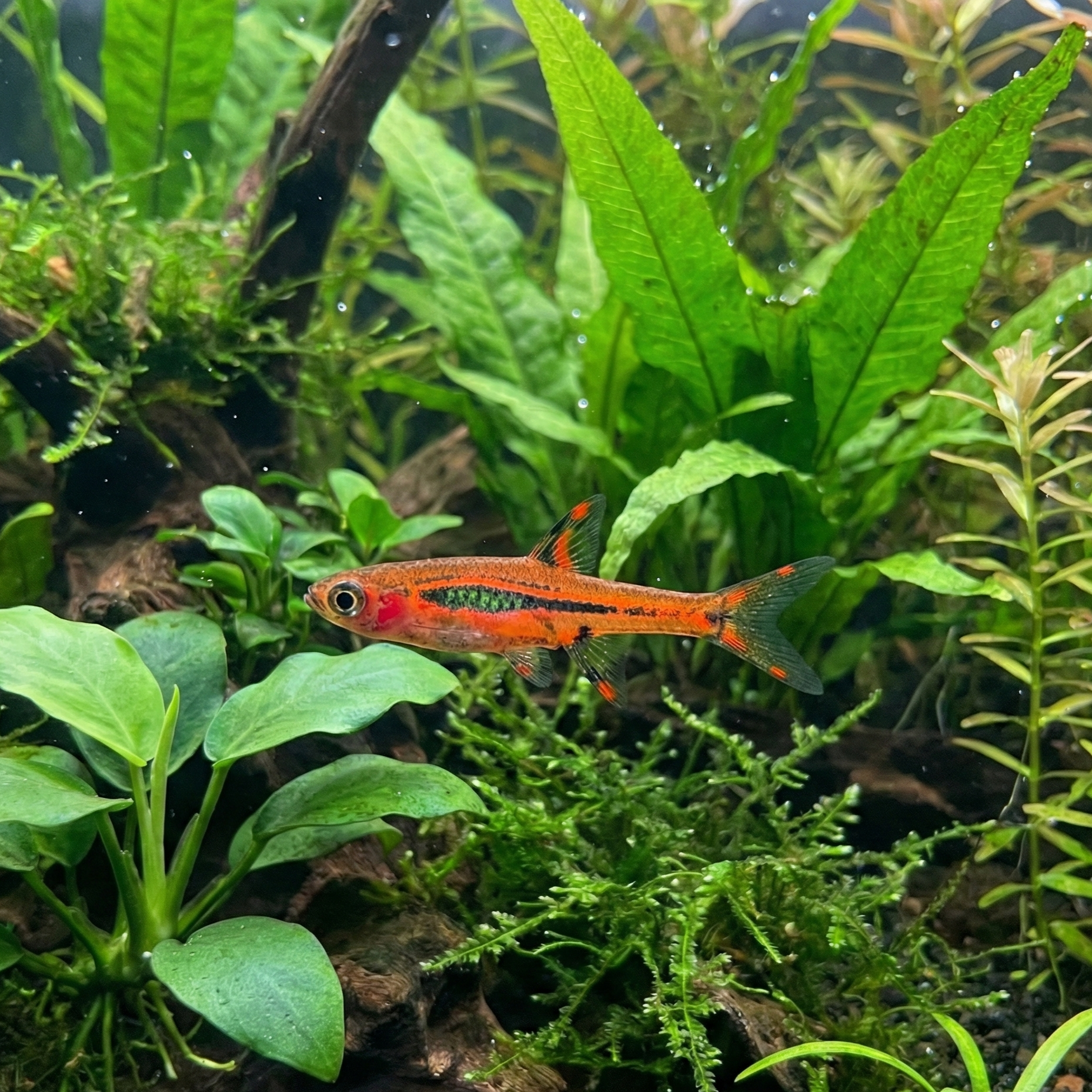
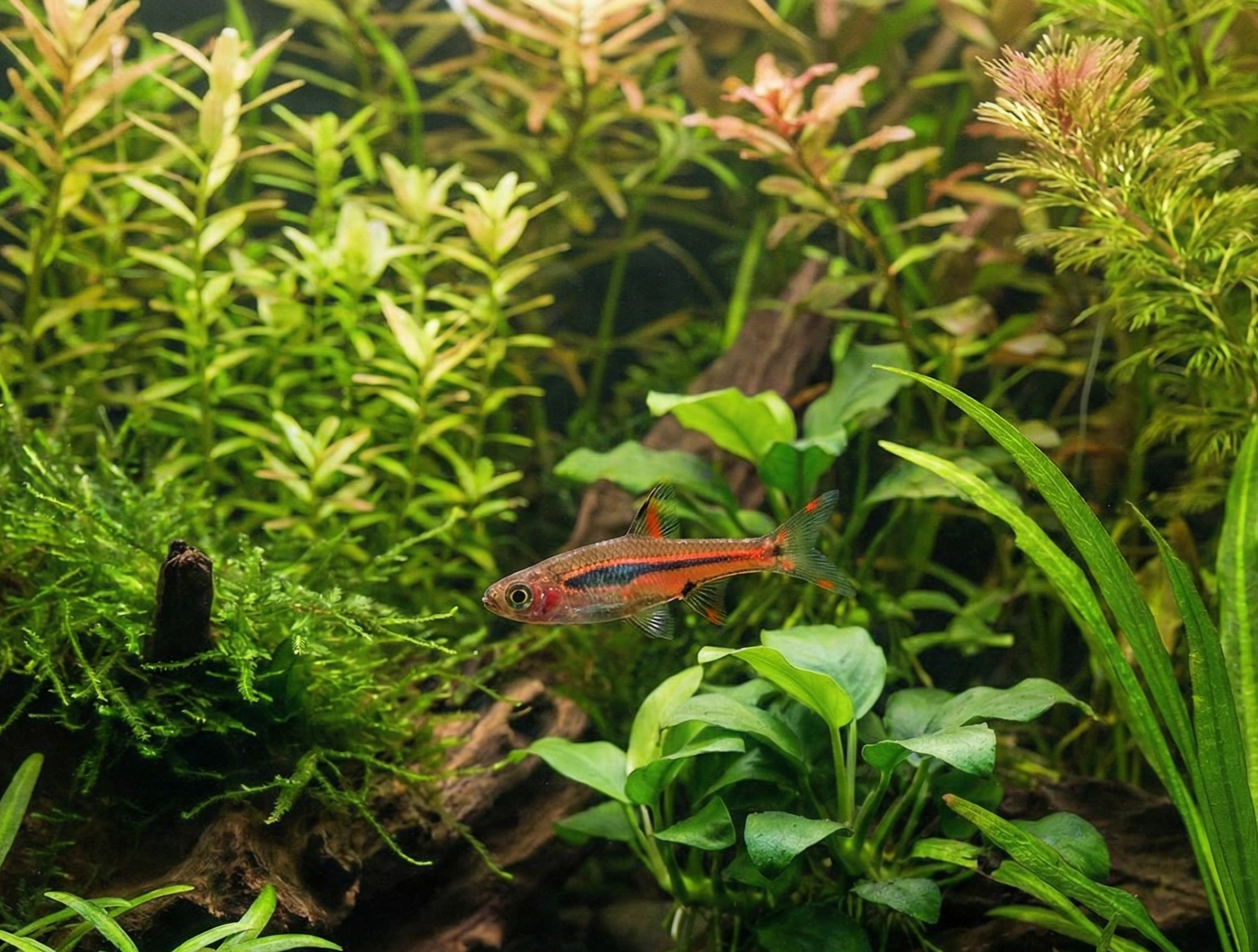
Dwarf Rasboras are classic nano schooling fish that thrive in soft, tannin-rich water. They are calm and slightly shy, preferring densely planted aquariums with gentle flow and subdued lighting. In proper group sizes, they shoal tightly and display attractive reddish-brown to copper tones with dark spotting.
Dwarf Rasboras are egg scatterers and will spawn among fine-leaved plants or moss. Breeding is achievable in soft, acidic water with low light. Adults may eat the eggs, so a separate breeding tank with Java moss or spawning mops is recommended. Fry are extremely small and require infusoria, vinegar eels, or powdered fry food before transitioning to baby brine shrimp.
Other micro-rasboras (e.g., Chili Rasbora, Phoenix Rasbora)
Small peaceful tetras (Ember Tetra)
Nano bottom dwellers (Otocinclus, Pygmy Corydoras)
Dwarf shrimp (Cherry, Blue Velvet, Yellow)
⚠️ Avoid large or aggressive fish, as Dwarf Rasboras are tiny and easily stressed or outcompeted.
Dwarf Rasboras originate from blackwater habitats rich in tannins. Adding Indian almond leaves, driftwood, and live plants helps replicate their natural environment and improves coloration and confidence. Stability is more important than exact numbers—consistent, clean water will keep them healthy and vibrant.
Common Name: Dwarf Rasbora
Scientific Name: Boraras maculatus
Origin: Southeast Asia (Thailand, Malaysia, Indonesia – peat swamps & blackwater streams)
Maximum Size: ~2 cm (0.8 inches)
pH: 5.0 – 7.0
gH: Soft (1 – 8 dGH)
Temperature: 22 – 28 °C (72 – 82 °F)
Tank Size: Minimum 5 gallons (best kept in schools of 8–10+)
Temperament: Peaceful, shy, active schooling fish
Diet: Omnivore – micro-pellets, crushed flakes, baby brine shrimp, daphnia, microworms
Difficulty: Easy to Moderate
Dwarf Rasboras are classic nano schooling fish that thrive in soft, tannin-rich water. They are calm and slightly shy, preferring densely planted aquariums with gentle flow and subdued lighting. In proper group sizes, they shoal tightly and display attractive reddish-brown to copper tones with dark spotting.
Dwarf Rasboras are egg scatterers and will spawn among fine-leaved plants or moss. Breeding is achievable in soft, acidic water with low light. Adults may eat the eggs, so a separate breeding tank with Java moss or spawning mops is recommended. Fry are extremely small and require infusoria, vinegar eels, or powdered fry food before transitioning to baby brine shrimp.
Other micro-rasboras (e.g., Chili Rasbora, Phoenix Rasbora)
Small peaceful tetras (Ember Tetra)
Nano bottom dwellers (Otocinclus, Pygmy Corydoras)
Dwarf shrimp (Cherry, Blue Velvet, Yellow)
⚠️ Avoid large or aggressive fish, as Dwarf Rasboras are tiny and easily stressed or outcompeted.
Dwarf Rasboras originate from blackwater habitats rich in tannins. Adding Indian almond leaves, driftwood, and live plants helps replicate their natural environment and improves coloration and confidence. Stability is more important than exact numbers—consistent, clean water will keep them healthy and vibrant.